Dark Mode Design: Should Your Business Website Offer It
Learn about dark mode design: should your business website offer it and how it impacts your business website. Practical insights from FunnelDonkey, St. Georg...
Dark Mode: Not Just for Night Owls Anymore
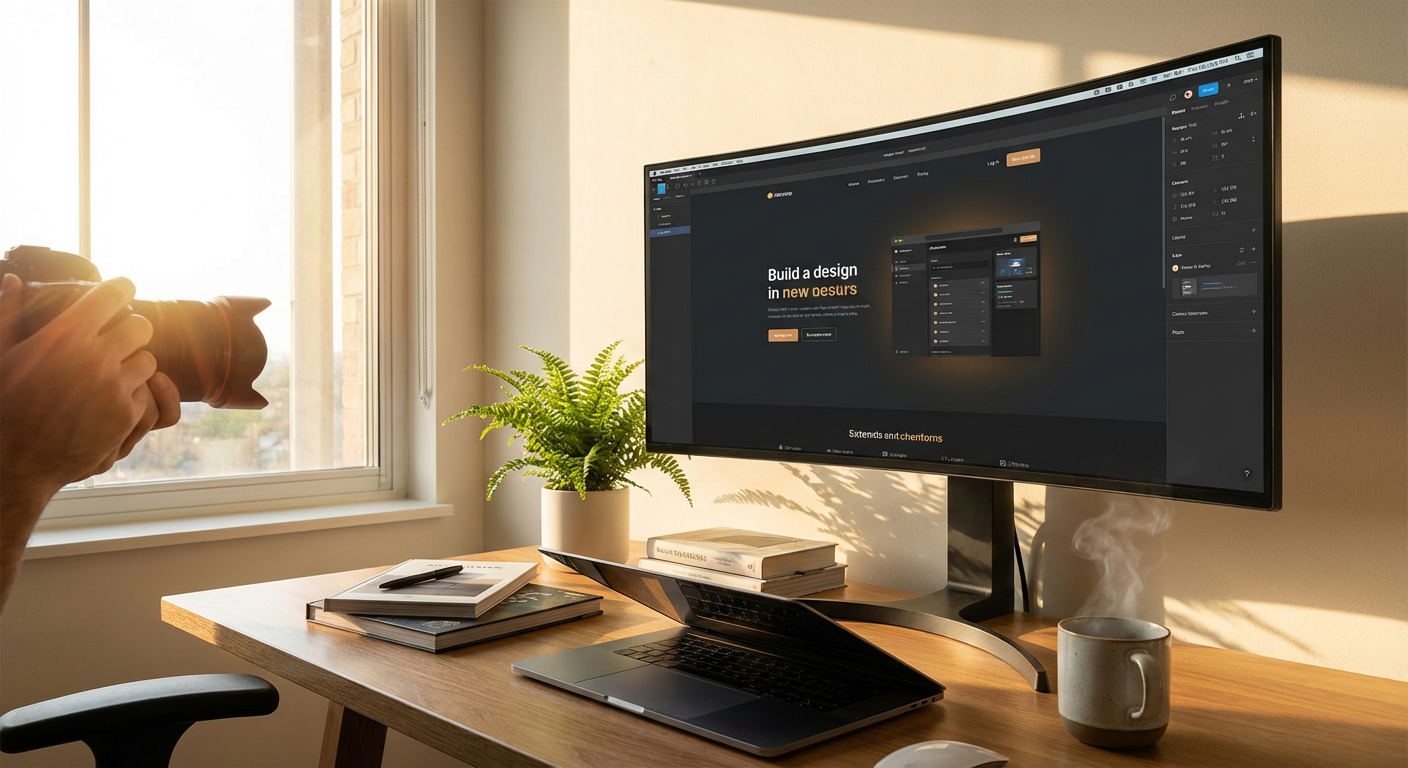
Remember when dark mode was just a niche feature for developers and vampires? A subterranean corner of the internet, if you will. Times have changed. What started as a preference for a select few is now a mainstream expectation. From your phone's OS to your favorite social media apps, dark mode options are everywhere.
But here's the million-dollar question for business owners: Should your website join the dark side? Is it a UX superpower or just another design trend that'll fade faster than a cheap tan?
At FunnelDonkey, we're not about chasing fads. We're about building strategic, high-performance websites that deliver results. So, let's peel back the layers of the dark mode phenomenon and see if it makes sense for your business.
The Allure of the Abyss: Why Dark Mode Took Off
It wasn't just aesthetics driving the dark mode revolution. There were some genuinely compelling reasons for its rise. Let's look at the primary drivers.
Eye Comfort: Less Strain, More Gain
This is arguably the biggest selling point. Staring at a bright screen for hours, especially in low-light conditions, is like a tiny, repetitive punch to your retinas. Dark mode reduces this glare and contrast, making for a much more comfortable reading experience. Fewer headaches, less eye fatigue – a win for extended browsing sessions.
Battery Life: Every mAh Counts
For devices with OLED or AMOLED screens (which is most modern smartphones), dark mode can significantly extend battery life. Pixels on these screens are individually lit. When they display black, they're essentially off, saving power. For mobile-first businesses, this is a silent hero.
Aesthetic Appeal: Sleek, Modern, Premium
Let's be real: dark mode often just *looks* cool. It can give a website a modern, sophisticated, and premium feel. Content can pop, and images can take on a new vibrancy. It's a design choice that signals you're up-to-date and aware of user preferences.
Accessibility: Inclusivity by Design
Believe it or not, dark mode can be a boon for accessibility. For users with certain visual impairments, like photophobia or astigmatism, high contrast light-on-dark text can be easier to read. It's not a universal solution, but it's a valuable option for many.
"Dark mode isn't just about saving your eyesight at 2 AM. It's about offering choice, enhancing experience, and sometimes, simply looking damn good."
The Dark Side of Dark Mode: Potential Pitfalls
Before you commit to a full-blown nocturnal rebrand, let's pump the brakes. Dark mode isn't a silver bullet. There are real considerations and potential downsides.
Readability Can Be Tricky
While often touted for eye comfort, dark mode can actually *decrease* readability for some users, especially those with certain vision problems. Light text on a dark background can appear to "bleed" or "bloom," making it harder to discern individual letters. This is particularly true for longer stretches of text.
Color Palette Conundrums
Your existing branding, logos, and imagery might not translate seamlessly to a dark background. Colors that pop on white might vanish into the void on black. You’ll need a carefully curated dark mode color palette that maintains brand integrity without looking like a goth teenager's bedroom.
Design Complexity and Cost
Implementing dark mode isn't just a simple color invert button. It's essentially designing two distinct user interfaces. Every element, from text to icons, forms, and images, needs to be re-evaluated and optimized for both light and dark themes. This means more design time, more development time, and naturally, more cost. For a robust website design that works for *your* business, these aren't trivial considerations.
Branding Inconsistency
If your brand identity is built around bright, airy, or vibrant aesthetics, forcing a dark mode might feel off-brand. Consistency is key in branding. If dark mode clashes with your core identity, the benefits might not outweigh the dissonance.
For more insights into making smart design choices, check out our post on Why Business Owners Should Stop Playing Web Designer. Leave the heavy lifting to the pros, because a bad design choice can cost you more than just a headache.
Who Benefits Most from a Dark Mode Website?
So, given the pros and cons, which businesses should seriously consider offering a dark mode option?
Tech Companies & SaaS Platforms
These audiences are often early adopters, spend significant time in front of screens, and appreciate nuanced UI/UX options. A sleek, developer-friendly dark theme can enhance their experience and reinforce a modern brand image.
Creative Agencies & Portfolios
Designers, photographers, and artists can use dark backgrounds to make their work truly stand out. Images and videos often have more impact against a dark canvas, creating a premium, immersive viewing experience. Think of a dark gallery making the art pop.
Speaking of popping content, if you're deliberating between different content formats, you might find our article on Video Content vs. Written Content: What Converts Better to be an illuminating read.
Entertainment & Gaming Sites
Users of these platforms often engage for extended periods and prefer an immersive, less distracting environment. Dark mode can contribute to that "lean back" experience.
Data Dashboards & Analytics Tools
For users who digest large amounts of information, dark mode can reduce eye strain, making data analysis less taxing over long sessions. Think of those late-night number crunchers.
Businesses Targeting a Younger, Tech-Savvy Demographic
Younger audiences are more accustomed to and often prefer dark mode settings across their digital lives. Offering it can be a subtle nod to their preferences and enhance perceived brand relevance.
Who Should Probably Skip (or Seriously Reconsider) Dark Mode?
Not every business needs to jump on the dark mode bandwagon. For some, it's an unnecessary expense and potential headache.
Content-Heavy Blogs & News Sites
Unless meticulously implemented, long-form content in dark mode can be harder to read for a majority of users. While an option might be nice, it shouldn't be the default or primary mode.
E-commerce Stores Where Product Presentation is Key on a White Background
If your products are best showcased against a clean, white backdrop (think fashion, home goods, etc.), dark mode could detract from their appeal or complicate color accuracy perception.
Brands with Bright, Optimistic, or Child-Focused Identities
If your brand is all about sunshine, happiness, and vibrant energy, a dark theme might directly contradict your core messaging and visual identity.
Businesses with Limited Budgets or Development Resources
As mentioned, it's essentially building two websites. If your resources are already stretched thin, focus on optimizing your primary user experience rather than adding a complex secondary one. A solid web design in St. George or SEO in Cedar City foundation is far more critical.
Implementing Dark Mode: It's More Than Just Inverting Colors
If you've decided dark mode *is* a strategic play for your business, great. But don't just flip a switch and expect magic. A poorly implemented dark mode is worse than no dark mode at all.
1. Thoughtful Color Palette Selection
This is crucial. You can't just take your light mode colors and invert them. Pure black backgrounds can be too harsh, and pure white text can cause "halation" (the bleeding effect). Aim for dark grays and off-white or muted pastel text colors. Ensure your brand colors still maintain their integrity and vibrancy.
2. Test Your Typography
Experiment with font weights and sizes. Sometimes, a slightly lighter font weight in dark mode can improve readability by reducing perceived thickness. Contrast ratios are paramount. Tools can help you verify accessibility compliance here.
3. Image Optimization
Images created for light backgrounds might look out of place or lose their impact on a dark one. Consider having alternative versions of key images, or at least testing how they perform. Transparent PNGs are your friend, as are SVGs.
4. Iconography & UI Elements
Buttons, forms, and icons all need to be designed to be clear and functional in both modes. Their states (hover, active, disabled) should also be distinct and intuitive.
5. User Preference & Persistence
Most dark mode experiences offer a toggle. But a truly premium experience respects user OS settings. If a user's system is set to dark mode, your site should ideally default to dark mode. And if they manually switch, that preference should be remembered for their next visit.
6. Don't Forget Accessibility
This isn't just about color contrast. Ensure focus indicators, keyboard navigation, and screen reader compatibility are maintained or improved upon in dark mode. Laws like Utah's accessibility regulations might even apply to your business.
The FunnelDonkey Philosophy: Strategy Before Style
At FunnelDonkey, we don't build websites for "likes." We build them for leads, conversions, and growth. Dark mode, like any design feature, needs to serve a strategic purpose. It's an enhancement, not a fundamental requirement for every business.
Ask yourself:
- Does it genuinely improve the user experience for my target audience?
- Does it align with or enhance my brand identity?
- Do the potential benefits outweigh the increased design and development costs?
- Will it provide a measurable competitive advantage or just be a "nice-to-have"?
If you're looking for an honest assessment of whether features like dark mode make sense for your particular business, we're here to talk. We pride ourselves on cutting through the noise and delivering solutions that actually move the needle.
Whether you're exploring the basics of SEO, diving into local SEO for your St. George business, or just need a new website that isn't a digital donkey, we build websites that work as hard as you do.
Ready to Illuminate (or Darken) Your Web Presence?
Deciding on advanced UI features like dark mode is a nuanced decision. It requires careful consideration of your audience, brand, and business goals. Don't let a trend dictate your strategy. Let strategy dictate your design.
We're not just order-takers. We're partners who help you navigate the complexities of the digital landscape. We build premium, custom websites that are designed to convert, whether they're bathed in light or shrouded in elegant darkness.
Think your business might benefit from a dark mode option, or just a seriously good website that actually works? Let's talk strategy. Use our cost estimator to get an idea of what your investment might look like, or consult our ROI calculator to understand the potential return. We offer expert SEO services in Hurricane, UT and across Southern Utah to ensure your site is found, regardless of its theme.
Stop settling for generic. Get a website that turns heads and turns visitors into clients.
Let FunnelDonkey Shine (or Gloom) Some Light on Your Web Strategy.
- Discover how we build high-performing websites tailored to your business.
- Chat with an expert about your specific needs.
- Get a transparent quote that shows you real value.
Ready to build a website that delivers? See Our Pricing & Packages
Or, if you prefer a more direct route: Contact Us Today