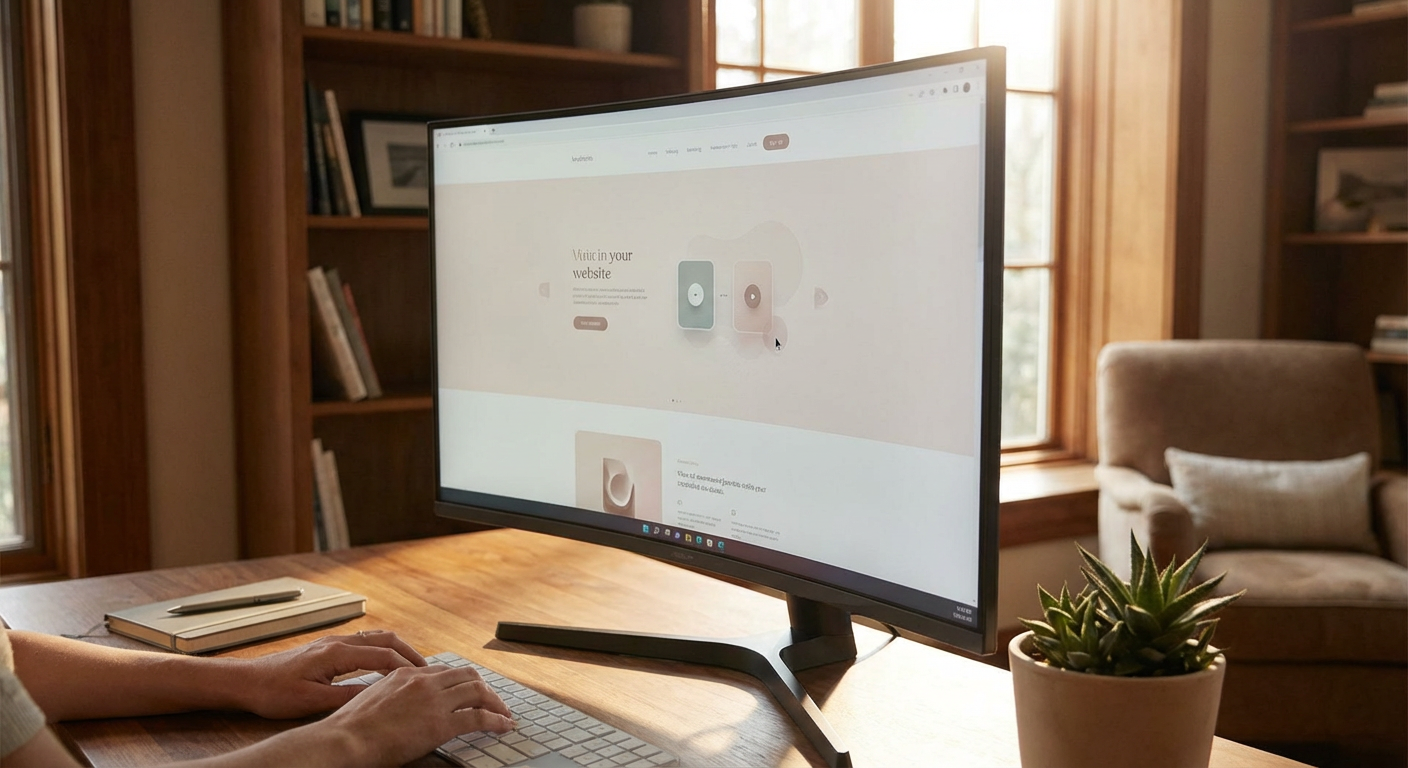
White Space Is Not Wasted Space: Design Principles That Sell
Learn about white space is not wasted space: design principles that sell and how it impacts your business website. Practical insights from FunnelDonkey, St. ...
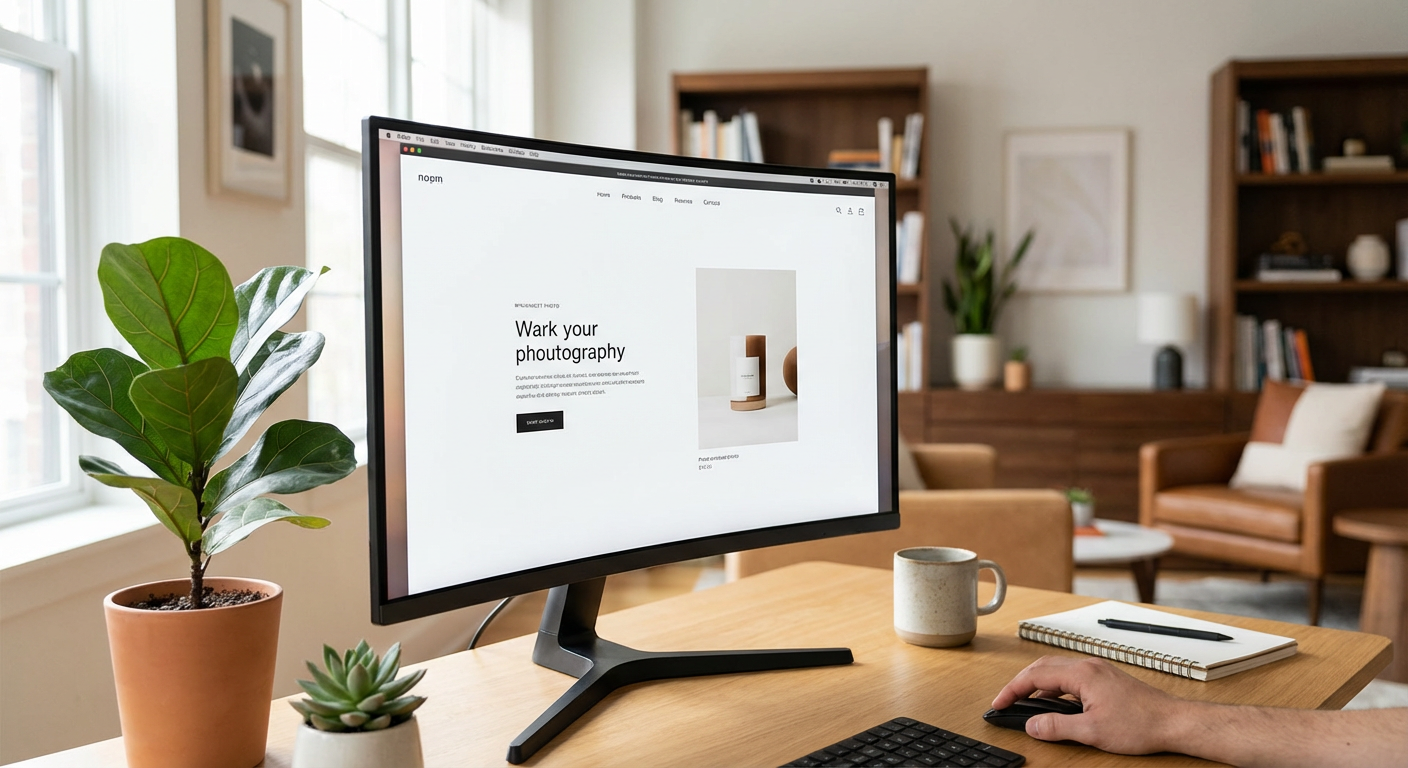
The Myth of the Blank Canvas: Why White Space is Your Secret Weapon
Let's talk about something that makes many business owners squirm: white space. Or, as it's often more accurately called, "negative space." The urge to fill every pixel on your website with something, anything, is powerful. More content! More calls to action! More flashing banners! "We paid for this digital real estate, let's use all of it!"
We get it. It feels counter-intuitive. Like leaving money on the table. But what if we told you that embracing white space isn't just a design preference, it's a strategic imperative that directly impacts your bottom line? What if we told you that the absence of elements can be more powerful than their presence?
This isn't some esoteric art school concept. This is about clarity, focus, and conversions. It's about respecting your users and guiding them effortlessly through your offerings. It's about designing a website that doesn't just look good, but sells.
What White Space Actually Is (And Isn't)
First, let's clear up the lingo. "White space" doesn't literally mean the color white. It refers to any empty or unused area around and between elements on a page. This includes margins, padding, line spacing, and the space between images and text.
It's the breathing room. The silence between notes in a symphony. The pause before a crucial statement. Without it, everything becomes a jumbled, overwhelming mess.
"Good design is as little design as possible." – Dieter Rams
This quote perfectly encapsulates the white space principle. It's about delivering information efficiently and beautifully, not bombarding users with everything at once.
Why Your Website Needs More Breathing Room (And How It Makes You More Money)
Still skeptical? Let's break down the tangible benefits of a well-executed white space strategy.
1. Enhances Readability and Comprehension
Imagine reading a paragraph with no line breaks, no paragraph spacing, and tiny margins. Your eyes would hurt, your brain would revolt, and you'd bounce faster than a rubber ball. This is what a lack of white space does to your text.
- Improved Line Spacing (Leading): Ample space between lines of text makes it easier for the eye to track words and reduces cognitive load. Studies have shown this can increase comprehension by up to 20%.
- Paragraph Spacing: Breaking content into digestible chunks with generous space between them prevents "wall of text" syndrome.
- Margins and Padding: These crucial elements prevent your content from feeling trapped against the edges of the screen, making the overall experience less claustrophobic.
When users can easily read and understand your content, they're more likely to engage, absorb your message, and take the next step.
2. Improves User Focus and Attention
Where do you want your users to look? What's the most important action you want them to take? Without sufficient white space, everything screams for attention, and consequently, nothing gets it.
White space acts like a spotlight. By surrounding a key element (like a headline, a call-to-action button, or a hero image) with empty space, you naturally draw the user's eye to it. It tells them, "Hey, this is important."
This is crucial for guiding users through your sales funnel. Every step, every click, should feel deliberate and intuitive, not like a frantic search for the right button.
3. Creates a Sense of Sophistication and Premium Quality
Think about luxury brands. High-end fashion magazines. Art galleries. What do they all have in common? A generous use of white space.
A minimalist design with ample breathing room communicates elegance, confidence, and quality. It suggests that your brand is refined, curated, and doesn't need to shout to be heard. Conversely, a cluttered, chaotic design often signals disorganization, cheapness, and a lack of attention to detail.
If you're aiming for a premium brand image, white space isn't optional; it's fundamental. It's how you say, "We value quality over quantity, and we respect your experience."
4. Enhances Navigation and User Experience (UX)
A well-structured website is a joy to use. A poorly structured one is a digital maze. White space plays a critical role in defining relationships between elements and creating a logical flow.
- Grouping Related Elements: By placing related items closer together and separating them with more white space from unrelated items, you create visual hierarchy. This is the Gestalt principle of Proximity at work.
- Clear Pathways: Ample space around navigation menus, section headers, and interactive elements makes them stand out and easier to click.
- Reduced Cognitive Load: When users don't have to decipher a page's layout, they can focus their mental energy on your content and offerings. This leads to a more pleasant and effective experience.
A better UX means users spend more time on your site, find what they need faster, and are more likely to convert. And that's the whole point, isn't it?
5. Improves Website Loading Speed (Indirectly)
While white space itself isn't a direct loading speed factor, the design philosophy that embraces it often leads to faster sites. How?
- Fewer Elements: A design prioritizing white space often means fewer unnecessary images, animations, and heavy scripts.
- Optimized Assets: Designers who appreciate minimalism are typically meticulous about optimizing every element they *do* include, ensuring images are compressed and code is clean.
Faster loading speeds aren't just a nicety; they're essential for conversions and SEO. Google favors fast sites, and users abandon slow ones like yesterday's news. A sleek, fast website made a significant difference for one salon, demonstrating the power of thoughtful design.
Applying White Space: Practical Design Principles for Your Website
So, you're convinced. More white space, less clutter. But how do you actually implement this without your site looking "empty" or "unfinished"? It’s all about intentionality.
1. Micro vs. Macro White Space
Understanding these two concepts is key:
- Micro White Space: This is the small spacing between lines of text, words, letters (kerning), and elements within a tight group (e.g., icons and their labels, buttons and text). It directly impacts readability and legibility.
- Macro White Space: This refers to the larger areas of empty space between major elements or sections of your page. Think about the margins around your entire content area, the spacing between different content blocks (e.g., a hero section and a services section), or the space around a prominent image. Macro white space helps organize the page and defines the overall structure.
Both are equally important. Don't just focus on the big gaps; sweat the small stuff too.
2. The Power of "Less is More" in Content
Sometimes, the best way to create white space isn't just to add padding, but to remove unnecessary content altogether. Be brutal with your copy and imagery.
- Concise Copy: Can you say it in fewer words? Is every sentence earning its place? Cut the corporate fluff, the jargon, and filler.
- Focused Imagery: Do all your images serve a purpose? Are they high-quality and relevant? A single, compelling image surrounded by white space is often more impactful than a carousel of mediocre ones.
- Strategic Calls to Action (CTAs): Don't scatter CTAs everywhere. Place them strategically and give them room to breathe so they stand out.
If you're wondering if your content is truly hitting the mark, consider an objective review. At FunnelDonkey, we often help clients reimagine their web presence from the ground up.
3. Embrace Grids and Alignment
White space isn't just random emptiness; it's structured. A strong grid system helps you align elements consistently and naturally creates channels of white space.
- Consistent Margins: Maintain generous and consistent margins around your main content areas.
- Padding for Sections: Use ample padding between different content blocks (e.g., your "About Us" section and your "Services" section).
- Vertical Rhythm: Ensure vertical spacing between elements is harmonious. For example, the space below a heading might be larger than the space below a paragraph, but still consistent throughout the site.
A well-designed grid system makes your site feel orderly, professional, and easy to scan.
4. The Art of Typographic White Space
Typography is where micro white space truly shines. Paying attention to these details can dramatically improve readability:
- Line Height (Leading): Set your line height (the space between lines of text) generously. A good rule of thumb is 1.4 to 1.6 times your font size for body text.
- Letter Spacing (Tracking/Kerning): Ensure individual letters and words aren't crammed together or too far apart.
- Paragraph Spacing: Use distinct spacing between paragraphs to break up large blocks of text. Don't rely solely on indentation.
These seemingly small adjustments make a monumental difference in how easily and pleasantly your content is consumed.
5. Don't Fear the Blankness Around Key Elements
This is where courage comes in. If you have a critical call to action — "Buy Now," "Sign Up," "Get a Quote" — let it stand alone. Surround it with significant white space. Don't dilute its power by placing competing elements too close.
This principle also applies to your hero section. A powerful heading, a concise value proposition, and a clear CTA, all given ample room to breathe, will be far more effective than a busy carousel trying to say five things at once.
Real-World Examples: Where White Space Works Its Magic
You see this principle in action every day, even if you don't realize it. Companies that master white space are often those with strong brands and highly effective websites.
- Apple: Their entire aesthetic, both online and in their stores, is a masterclass in white space. Products are isolated, given reverence, and appear premium.
- Google (Search Page): The ultimate example. A single search bar, surrounded by oceans of white. It's the epitome of clarity and focus.
- Many SaaS (Software as a Service) Companies: Often use clean, spacious layouts to make complex software appear user-friendly and approachable.
- Luxury Brands: From Chanel to Rolex, extensive white space is used to signal exclusivity, quality, and high value.
Your business, regardless of industry, can leverage these same principles to elevate its online presence and performance.
The Hidden Cost of Clutter: What You're Losing
If white space is so beneficial, then its absence logically leads to negative outcomes. Let's be explicit about what a cluttered website design is costing you:
- High Bounce Rate: Users arrive, feel overwhelmed, and immediately leave. No engagement, no conversion.
- Low Conversion Rates: If your CTAs are lost in a sea of distractions, people won't click them. Simple as that.
- Perception of Low Quality: Clutter looks cheap and unprofessional. It erodes trust before you even have a chance to build it.
- Poor SEO Performance: While not a direct factor, a terrible user experience can indirectly harm your SEO. High bounce rates and low time-on-page metrics signal to search engines that your content isn't valuable. Furthermore, messy code (often accompanying messy design) can slow your site, which is definitely an SEO hit. Want a deeper dive into SEO? Check out our expert SEO services.
- Lack of Brand Recognition: A busy site makes it hard for any single message or brand element to stand out and be remembered.
So, when you scrimp on white space, you're not saving money on "empty" pixels; you're losing customers, credibility, and revenue.
Beyond Aesthetics: White Space as a Strategic Business Tool
Let's elevate this from a "design tip" to a core business strategy. When you approach your website with an understanding of white space, you're not just making it pretty; you're making it effective.
White Space and Storytelling
Think of your website as telling a story. White space provides the pauses, the transitions, and the emphasis needed to make that story compelling. It allows each chapter (or section) to resonate before moving on to the next. Without those pauses, the story becomes a stream of consciousness – hard to follow, and even harder to care about.
White Space for Different Audiences
Different demographics and industries might require slight variations, but the core principle remains. Even complex technical sites can benefit from clear organization and breathing room. For businesses targeting a local audience, like those in St. George, Utah, a clear, conversion-focused design with ample white space can mean the difference between a new customer and a missed opportunity. Find out more about how we help local businesses at web design St. George.
Partnering for Premium Design
Designing with intentional white space requires an experienced eye. It's not about making a site look "minimalistic" for the sake of it, but about using this powerful principle to enhance every aspect of the user journey. If you're building a new site or overhauling an existing one, making sure your team understands and prioritizes this concept is crucial. Beware of designers who just want to fill every corner; that's one of the red flags when hiring a website designer.
We see businesses all the time who think a packed page means more value. Often, it's the opposite. It overwhelms the user and hides the true value. Consider how seasonal businesses must carefully manage their messaging throughout the year; clear, uncluttered design is paramount to convey timely offers.
Ready to Give Your Website Room to Breathe?
If your website feels like a digital hoard, overflowing with unorganized elements, it's time for a change. Embracing white space is one of the most effective ways to transform your site from cluttered to compelling, from confusing to converting.
It's not about making your site barren; it's about making it brilliant. It's about strategic emptiness that delivers exceptional value.
Still not sure where to start? We're here to help you clear the clutter and design a website that doesn't just exist, but truly performs. We build premium, high-converting websites that leverage powerful design principles like white space to articulate your brand's unique value.
Estimating Your Investment in Clarity
Wondering what a strategically designed, conversion-focused website might cost? Use our website cost estimator to get a preliminary idea. Or, if you're thinking about the potential return on that investment, our ROI calculator can help you visualize the gains.
Don't let your website be another generic sea of content. Invest in design that respects your audience, elevates your brand, and drives your bottom line.
Let's Design a Website That Sells.
Are you ready to stop wishing for better results and start demanding them? Let's build a website that delivers.
Whether you're in St. George, Cedar City, Hurricane, or beyond, we're ready to partner with you. We don't just build websites; we build digital assets that work tirelessly for your business.
Talk to us about your vision. Let's create something remarkable.
View Our Pricing & Packages or Schedule a Consultation and let's get your business moving forward, not just filling space.